Understanding the Impact of Woodpeckers on Trees
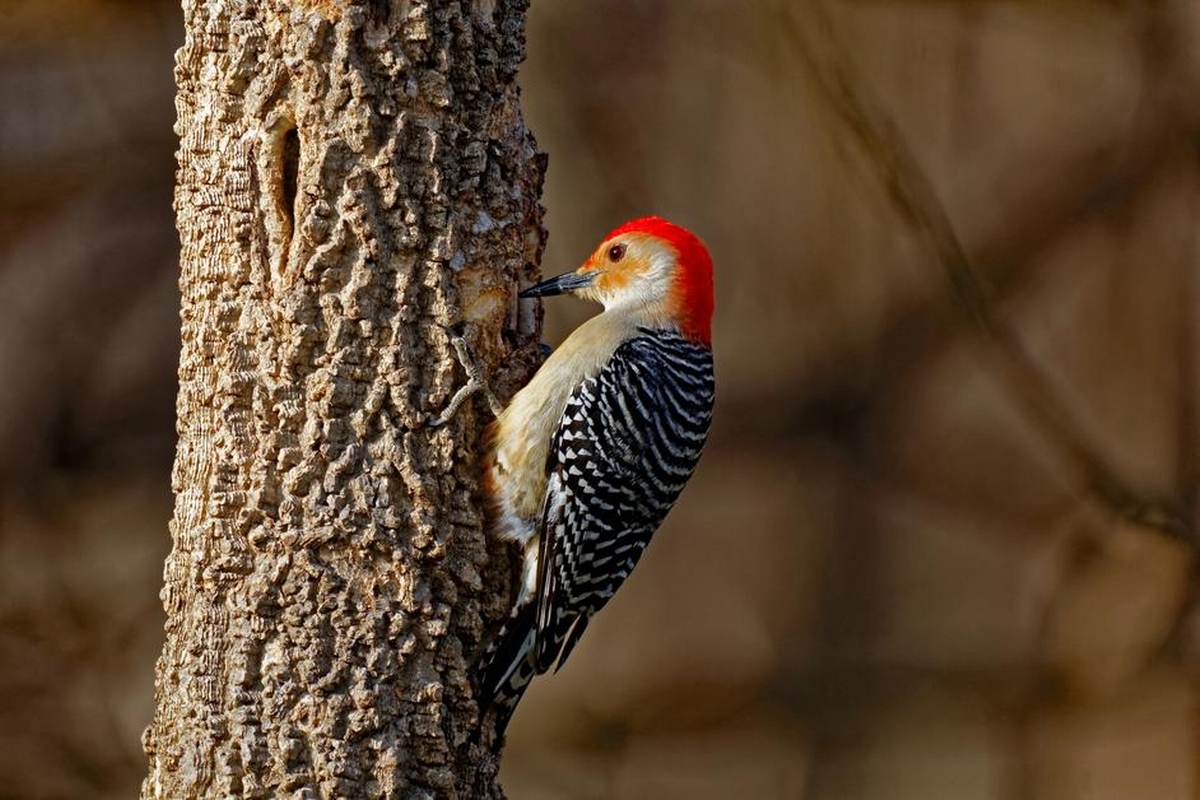
Woodpeckers, with their distinctive drumming sounds, are as much a sign of spring as they are a source of curiosity for many in Wausau, WI. But a question that often comes to mind when observing these birds is, "Do woodpeckers kill trees?" This topic is significant as it intersects with the interests of homeowners and businesses concerned about maintaining the health and beauty of their outdoor spaces. Services like Baumann Lawn & Landscaping LLC, known for providing top-tier lawn care in Wausau and its nearby areas, often field questions about the impact of woodpeckers, and understanding this interaction is key to effective landscaping.
For those invested in the aesthetics and sustainability of their landscapes, grasping the relationship between woodpeckers and trees can make all the difference. This blog post will explore the role of woodpeckers in tree ecosystems, the potential harm they can cause, and management strategies for minimizing damage, offering valuable insights to anyone interested in maintaining a healthy and thriving outdoor environment.
The Role of Woodpeckers in Trees’ Ecosystem
Woodpeckers are more than just charming woodland creatures; they're vital contributors to ecological health. Most woodpeckers feed on insects that are harmful to trees, effectively acting as natural pest control. This predation helps manage insect populations, such as beetles and ants, which could otherwise lead to tree diseases or damage. Contrary to the title's ominous question, "Do woodpeckers kill trees?", these birds are often part of preventing harm to trees by managing pest populations naturally.
However, there is a fine balance. Woodpeckers can become opportunistic; if the tree is already weakened by disease or pests, they might exacerbate the tree’s issues. It’s a fascinating dance between survival for the woodpeckers and sustainability for the trees.
Types of Woodpecker Damage
To understand when and if woodpeckers can do harm, it’s essential to recognize the different types of damage they can cause. Woodpecker activity usually falls into one of three categories: feeding, nesting, or drumming.
Feeding
Woodpeckers feed by boring holes into tree bark in search of insects. Most often, this feeding does not harm the tree when healthy. The insects targeted are frequently pests themselves, so this activity usually represents a net-positive interaction. However, excessive drilling in search of food can tax an already weakened tree.
Nesting
Nesting is another story. Woodpeckers will peck large holes into dead or dying trees for nesting purposes. While this is a natural part of their life cycle, it can be detrimental when done on live trees, especially if large branches or trunks are used, compromising the tree's structure over time.
Drumming
Drumming is how woodpeckers communicate or establish territory. This rapid pecking usually doesn't cause significant damage unless the tree is already compromised. The repetitive tapping might be annoying to homeowners, but it poses little threat to the tree's health.
When Do Woodpeckers Kill Trees?
While woodpeckers themselves are not typically the direct cause of tree demise, they can contribute to a tree's downfall if combined with other stressors. Trees that are already suffering from pest infestations or diseases might find woodpecker damage to be the final straw. This is where the phrase "Do woodpeckers kill trees?" finds some validity - it's not the birds themselves, but the cumulative damage from various factors that can lead to a tree's decline.
In Wausau, WI, and similarly wooded environments, dead trees can become focal points for woodpecker activity as they both attract insects and offer softwood suitable for nesting. It's crucial to regularly inspect trees for signs of disease or damage to mitigate any potential impacts woodpeckers might have.
Managing Woodpecker Activity
Effective management begins with regular tree health assessments. Homeowners and businesses should enlist the expertise of landscaping maintenance professionals, such as those from Baumann Lawn & Landscaping LLC, to inspect their trees and implement preventive measures.
Prevention Techniques
- Regular Inspections: Identifying pest problems early can prevent woodpeckers from overwhelming a tree.
- Tree Diversity: Planting a diverse range of tree species can ensure that even if one type is affected, the overall landscape remains healthy.
- Physical Barriers: Mesh or netting may deter woodpeckers without harming them. This method is particularly effective for preventing nesting in undesired locations.
- Scare Tactics: Reflective objects or noise-emitting devices can dissuade woodpeckers from frequenting certain areas.
Services Addressing Woodpecker Concerns
Quality landscaping companies have a suite of services to help manage woodpecker activity. Strategies such as underground irrigation in Wausau ensure trees are well-hydrated and more resilient against both natural pests and external stressors. With their extensive knowledge of local ecosystems, companies like Baumann Lawn & Landscaping LLC can design a comprehensive plan to minimize woodpecker impact while enhancing the natural beauty of your property.
The Baumann Approach to Tree Management
Understanding the interaction between wildlife and landscaping is essential for maintaining healthy and vibrant outdoor spaces. Baumann Lawn & Landscaping LLC not only addresses these concerns with expertise but does so tailored to each client's specific landscape. From underground irrigation systems to complete lawn care in Wausau, WI, they are dedicated to ensuring every tree remains a robust part of your property.
By choosing expert services, homeowners can effectively align their goals for both aesthetic beauty and ecological health. Call or contact Baumann Lawn & Landscaping LLC today to learn more about preserving and enhancing the natural beauty of your property. Their seasoned experts are always ready to consult on the best strategies tailored for your unique environment, ensuring that both your landscapes and the local wildlife, such as woodpeckers, coexist in harmony.