How to Tell If a Tree Is Dead: Key Warning Signs
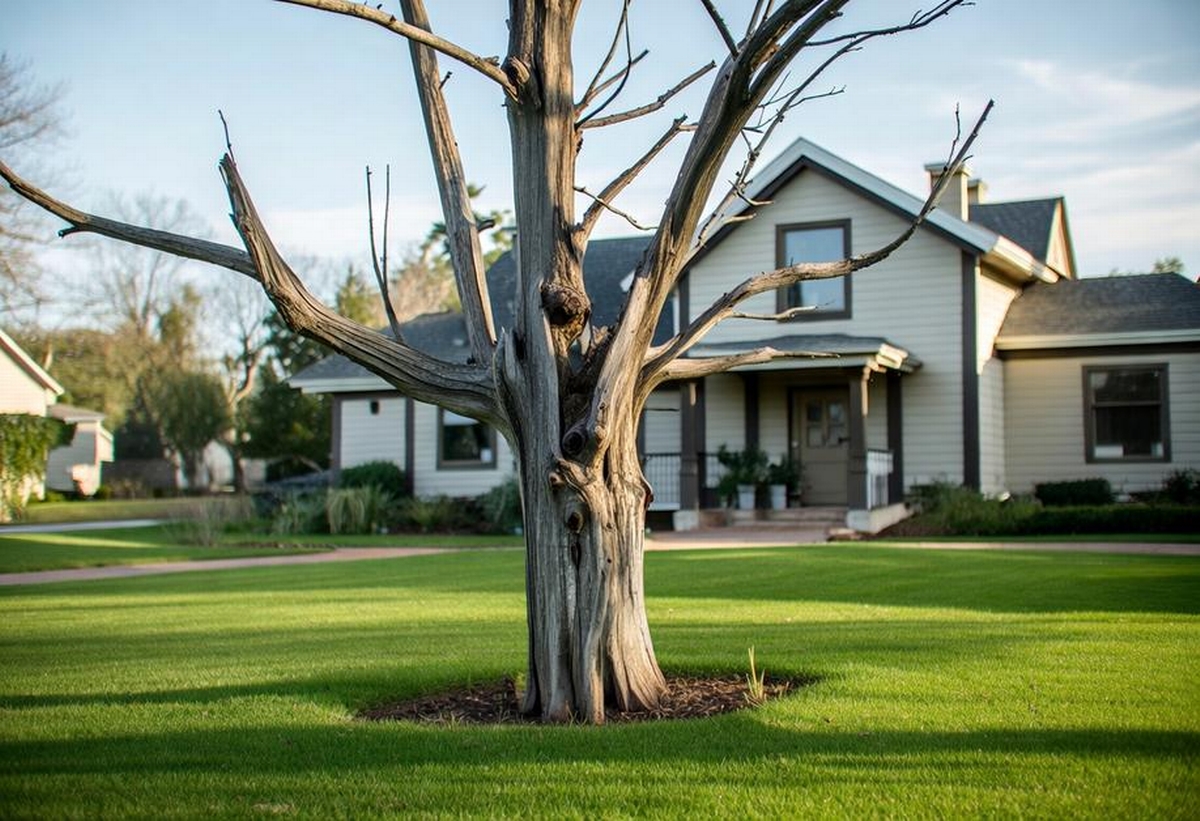
Trees are an invaluable part of our landscape, offering shade, air purification, and beauty to our surroundings. However, determining when a tree is no longer alive can be essential for ensuring safety and maintaining the aesthetics of your yard. Learning how to tell if a tree is dead is not only critical for the health of your garden but also for the safety of those around it. For residents seeking lawn care in Wausau and beyond, recognizing the indicators of a dead tree can prevent potential damage and liability issues.
In this comprehensive guide, we'll walk through the key signs of a dying or dead tree, explain why early detection is crucial, and provide strategies to address these issues effectively. By understanding these warning signals, you can take steps to maintain the health of your landscape and enhance the overall beauty of your property.
Why It's Important to Identify a Dead Tree
Before diving into identification, it's crucial to recognize why detecting a dead tree matters. Dead trees can pose significant risks. They can fall, causing damage to property, injury to people, or harm to other plants. Furthermore, dead trees can negatively impact the ecosystem of your garden. For anyone invested in scheduled lawn maintenance in Wausau and its surrounding areas, knowing how to tell if a tree is dead can offer peace of mind and a safer environment.
Visible Signs: Inspecting the Tree's Appearance
Bark and Trunk Examination
One of the first indicators of a dead tree is the condition of its bark and trunk. A tree that is dying or dead often has peeling or flaking bark, and upon further inspection, you might find that the bark is missing altogether in patches. If the trunk appears cracked or damaged, it could indicate that the tree is losing its health. Look for deep splits in the trunk or completely missing bark, often signs that the tree is likely dead.
Branch Health Assessment
Observing the branches can offer significant clues. Dead trees often have brittle branches that break off easily. You can perform a simple test: bend a small branch and see if it snaps easily. If the branch is flexible and bends without breaking, the tree might still be alive, but a brittle and dry branch is a strong sign that the tree is dying or dead. Also, a lack of leaves, especially during seasons when other trees are in full foliage, is another indication.
Watch for Fungal and Pest Invasions
Signs of Fungal Growth
The presence of fungi, especially mushroom-like growths at the base of the tree or on the trunk, often suggests decay within the tree. Fungi feed on decaying organic matter, so their presence typically indicates that the tree has soft, dead wood.
Pest Infestations
Dead trees can become a hotspot for pests, including termites and beetles. While some insect activity is normal, a proliferation of insects can suggest that the tree is no longer living. Insects thrive on dead wood, so their sudden increase can help confirm suspicions of a dying or dead tree.
Environmental and Seasonal Indicators
Changes During Growth Seasons
Seasonal changes can also provide clues about the health of a tree. For example, if a tree does not bloom or leaf out during a typical growing season while other trees do, it may be dead. It's crucial, however, to differentiate between trees that bloom late and those that show no growth at all.
Root Issues and Soil Conditions
Often overlooked, root issues can be a leading cause of a tree’s decline. Check the base for mushrooms or other signs of rot and examine if the soil appears overly saturated or dry. Such conditions can affect root health, possibly leading to the tree’s death.
Consult Professionals for an Accurate Assessment
While there are many do-it-yourself tips on how to tell if a tree is dead, consulting a professional is often the best way to determine the tree’s health accurately. Professional arborists or landscaping specialists can conduct a thorough inspection and provide a definitive assessment. Whether it's about diagnosing tree health or seeking expert advice on landscaping maintenance or underground irrigation in Wausau, professionals can offer tailored solutions to maintain your property’s beauty and safety.
What to Do If Your Tree Is Dead
Removal or Treatment Options
Once you determine that a tree may be dead, deciding the appropriate course of action is next. Removal is often necessary to mitigate risks if the tree is confirmed dead. However, if there's a chance to save it, treatments may include pest control measures, watering adjustments, or soil enhancements.
Preventive Measures for Future Health
To prevent future occurrences, regular inspection of your trees can catch problems early. Proper care routines, such as seasonal pruning, optimal watering schedules, and soil treatment, play significant roles in maintaining tree health.
Ensuring that you have a robust maintenance plan in place, which might include landscaping maintenance in various locations, can prevent trees from becoming hazards.
Taking Action with Professional Services
Addressing tree health doesn't have to be a solo endeavor. At Baumann Lawn & Landscaping LLC, we understand the intricacies of tree care and offer comprehensive services to ensure your landscape remains lush and safe. Whether you need professional assessments or regular maintenance, we provide solutions that cater to your unique needs. If you're facing any concerns with tree health, rely on us to support your outdoor needs effectively.
By utilizing these insights and reaching out to landscaping experts, you can maintain a vibrant, secure, and aesthetically pleasing outdoor environment. Connect with us today and trust Baumann Lawn & Landscaping LLC to guide you through all your landscape management needs.