Can a Tree Regrow From a Stump After Removal?
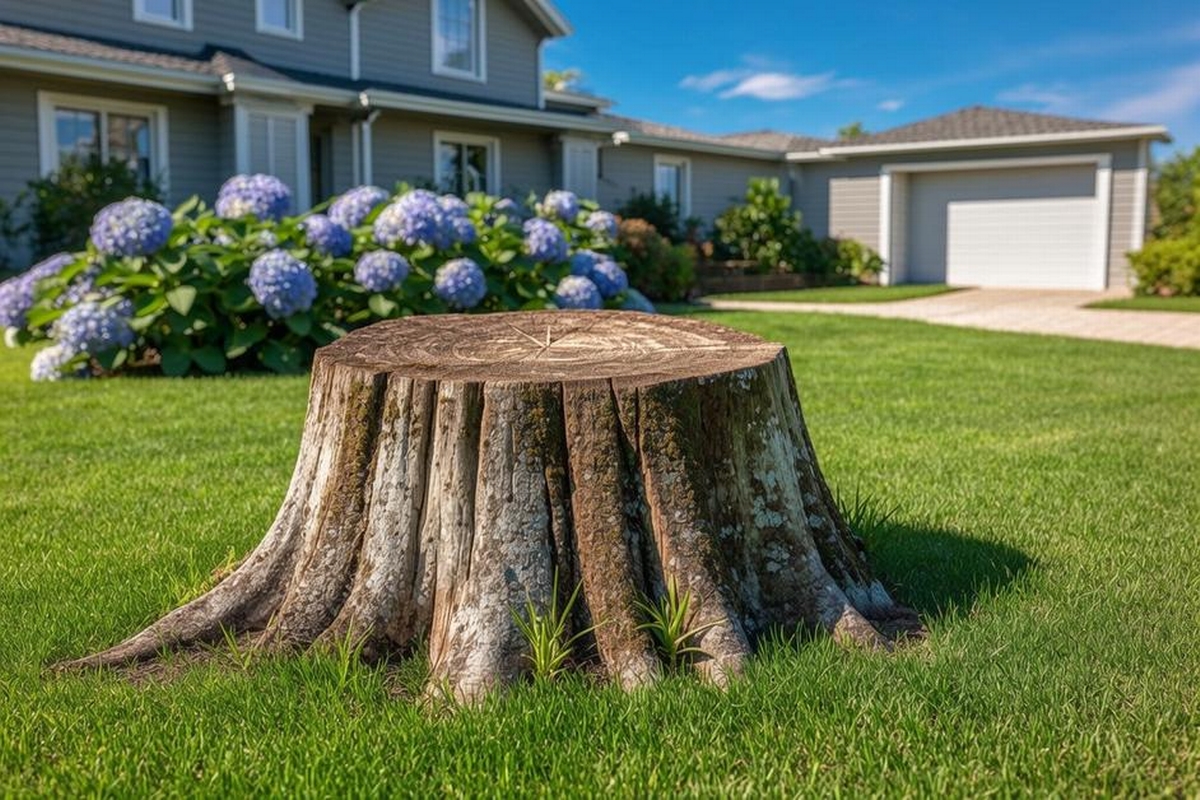
When a majestic tree that's been part of your landscape for years is cut down, it can be quite a sight to behold. All that remains is a stump, often left behind as a reminder of what once was. But a fascinating question lingers: can a tree regrow from a stump? This inquiry is not just rooted in curiosity but in practical concerns regarding property maintenance. It's a topic worth exploring, especially for those interested in effective lawn care services in Wausau, WI.
Trees are resilient, and their capacity for regeneration can be surprisingly robust. Understanding whether and how a tree might regrow from a stump can help homeowners in making informed decisions about landscape management. The phenomenon of tree regrowth can impact both the aesthetic and functional aspects of a garden. In this blog post, we'll delve into the possibilities and processes associated with stump regrowth, offering insights into both the challenges and opportunities it presents.
The Science Behind Stump Regrowth
Biological Resilience of Trees
Many tree species possess an incredible capability to regrow due to their robust root systems and the presence of dormant buds. The biology of a tree enables it to sprout new growth from the stump because its root system remains alive and active even after the main body has been removed. Trees like willows, poplars, and some types of oaks are particularly known for this regrowth tendency. These species have adaptive mechanisms that allow them to survive in harsh conditions, which includes regenerating from stumps.
The process of regrowth begins with the remnants of the tree's vascular system. This system, which is still attached to the roots, can supply nutrients to the stump, enabling the tree to attempt a comeback. New shoots - sometimes known as suckers - arise from the dormant buds located on the tree's roots or base. While some trees find it easy to regenerate, others may struggle depending on environmental conditions and species-specific traits.
Environmental Influences
The success of stump regrowth is not solely dependent on the tree's species. Environmental conditions play a critical role in determining the likelihood of regrowth. Factors like soil quality, moisture levels, sunlight availability, and nutrient presence can all influence whether a tree will regrow from a stump. In places like Wausau, WI, the local climate and ground conditions can either foster or hinder the regrowth process. Understanding these local conditions can help determine whether to allow a stump to attempt natural regrowth or to intervene for different landscape goals.
Seasonal variations are also impactful. Springtime, with its favorable weather conditions, is often a season where stumps attempt regrowth. Warmer temperatures and increased rainfall contribute to creating an environment conducive to new growth. In contrast, the extreme cold or prolonged dry spells can stifle regrowth efforts, pushing homeowners towards professional intervention.
Pros and Cons of Tree Regrowth from Stumps
Benefits of Natural Regrowth
Allowing a tree to regrow from a stump can bring a range of benefits. It can be a cost-effective way of maintaining greenery in your landscape without the expense of purchasing and planting new trees. Additionally, trees that regrow naturally can adjust over time to local environmental conditions, which might contribute to their long-term resilience and survival.
Moreover, natural regrowth can offer a unique aesthetic appeal, particularly in landscapes where a more organic or rustic appearance is preferred. A regrowing tree from a stump provides a dynamic visual element, showcasing the resilience and tenacity of nature.
Potential Drawbacks
While the benefits are enticing, there are notable downsides to allowing stump regrowth. New growth can be unpredictable, both in terms of timing and appearance. This unpredictability can lead to uneven growth patterns that may not align with a homeowner's landscape design goals. Additionally, the new shoots can be weaker and more susceptible to disease and pest attacks, requiring attentive maintenance.
From a safety perspective, uncontrolled regrowth can become problematic, especially if the tree is regrowing near structures, pathways, or utility lines. In such cases, structural damage caused by roots or falling branches could pose potential hazards.
Managing Stump Regrowth: Practical Steps
Intervention Strategies
When it comes to managing tree stumps in your landscape, different strategies can be employed depending on whether you wish to encourage or prevent regrowth. If you are keen on controlling regrowth to maintain an orderly landscape, you may consider stump grinding or chemical applications to inhibit the sprouting process.
However, if the decision is made to allow a tree to regrow, then ongoing trimming and shaping might be necessary to guide the direction and health of new growth. Regular monitoring of the new shoots for signs of weakness or disease is essential in maintaining a healthy regrowing tree. Check for professional landscaping maintenance in Wausau, WI to ensure effective management tailored to local conditions and personal preferences.
Preventative Measures
Preventing stump regrowth can also involve more radical measures, such as complete stump removal. This process involves extracting the entire stump and root system to eliminate any chance of regrowth. While this is more labor-intensive, it might be necessary when planning new constructions or planting fresh flora in place of the removed tree.
One practical way to summarize these strategies is in the following steps:
- Assess the Site : Check the surrounding conditions to determine the feasibility of preventing or allowing regrowth.
- Evaluate Objectives : Decide if the aesthetic and functional goals of the landscape favor tree regrowth.
- Choose an Approach : Opt for stump grinding, chemical treatments, or full removal for prevention. For regrowth, focus on guiding, trimming, and monitoring.
This list serves as a helpful reminder of the key steps involved in managing stump regrowth in your landscape.
Professional Assistance for Stump Management
While DIY methods can be tempting, professional assistance through companies like Baumann Lawn & Landscaping LLC can provide tailored solutions suited to your specific environmental and landscaping needs. Their expertise in landscaping maintenance ensures that tree stumps are managed in a manner that aligns with both aesthetic preferences and safety considerations.
Elevating Your Landscape
Addressing whether a tree can regrow from a stump after removal opens the door to a better understanding of your landscape's biological and environmental dynamics. Depending on your preferences, you can either harness or inhibit this regrowth to align with your aesthetic desires and safety concerns. However, the complexities involved often necessitate expert guidance.
Baumann Lawn & Landscaping LLC offers comprehensive services to those in need of assistance with stump management and broader landscaping goals. From devising effective regrowth strategies to providing commercial snow removal in nearby cities, their expertise spans a variety of needs. With professional help, you can ensure that your landscape is not only beautiful but also safe and well-maintained.
Whether you're in Wausau, WI, or elsewhere, don't hesitate to reach out and explore how professional services can transform your outdoor spaces. You can achieve a healthy and appealing landscape while addressing the intricate dynamics of tree regrowth. Explore Baumann Lawn & Landscaping LLC's offerings to find the perfect fit for your property management needs. Contact Baumann Lawn & Landscaping LLC.